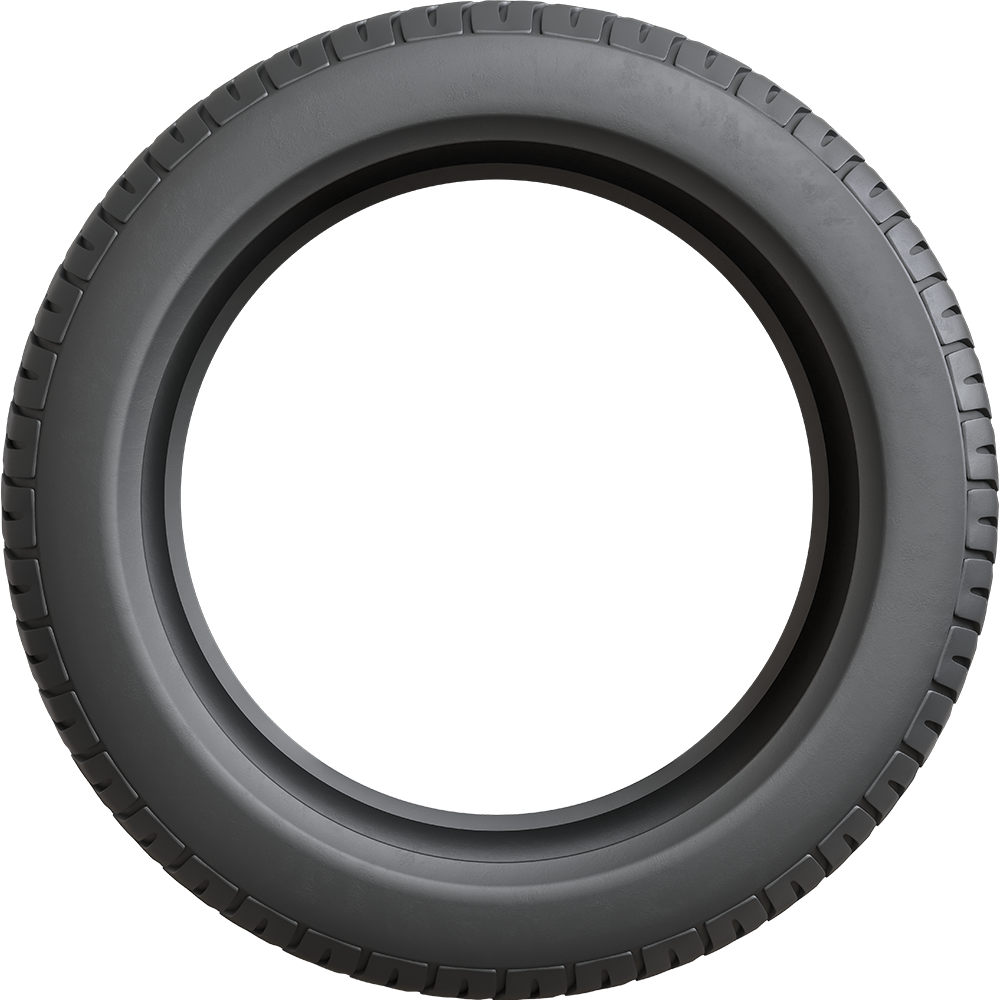
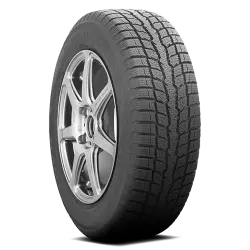
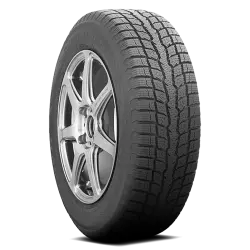
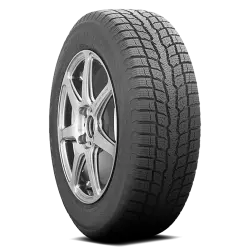
Toyo Observe GSi-6 Winter Tires
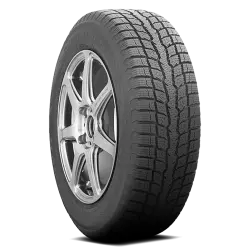
Key Features and Performance of Toyo Observe GSi-6
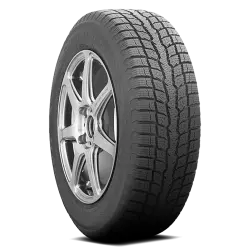
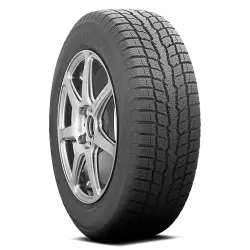
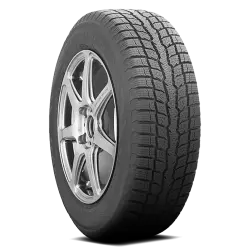
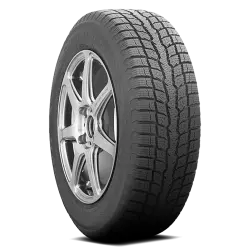
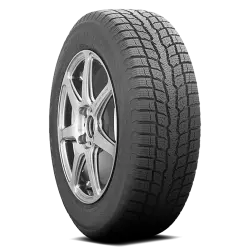
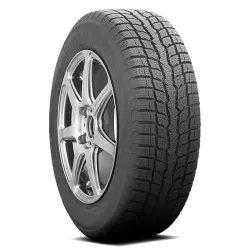
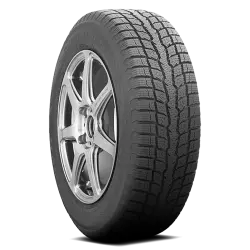
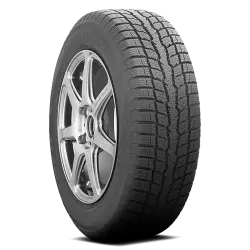
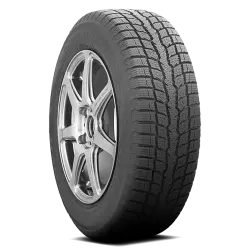
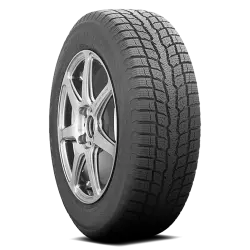
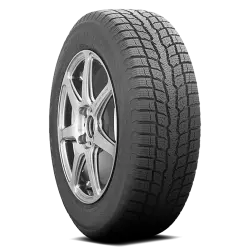
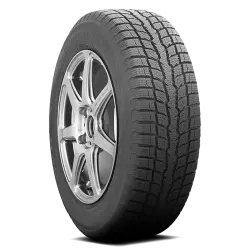
When temps drop, the tire matters more than anything else touching the road. The Toyo Observe GSi-6 is built for winter driving, using a cold-weather compound that stays flexible when the pavement gets hard and slick. That helps the tire maintain road contact for braking, acceleration, and lane changes on snow-covered roads, slush, and icy patches. The tread uses dense siping and a pattern designed to keep more biting edges in play, so the tire feels more controlled when conditions get rough. For truck and SUV owners who still need predictable road manners on the daily drive, that balance is a big part of the appeal.
Toyo Observe GSi-6 Model Variations
The Observe GSi-6 lineup covers a range of fitments, but not every size works for every vehicle. Some drivers are shopping for a commuter car, while others need a winter setup for an SUV or light truck. Some shoppers also compare it with HP-oriented winter options, but the right match still comes down to size, vehicle weight, and the roads you actually drive. Before you order, confirm the tire size, load index, and speed rating your vehicle calls for. If you are changing wheel size for a winter package, make sure overall diameter and clearance still make sense for your setup. A quick fitment check now can save you from rubbing, handling issues, or buying the wrong tires.
Toyo Observe GSi-6 Review: Pros and Cons
In a real-world review, the main upside is confidence in cold conditions. Most drivers are looking for steady braking, predictable steering feel, and traction that does not disappear when the road turns to packed snow or slush, and this tire is aimed at that kind of performance. Because it is a dedicated winter tire, the trade-off is seasonal use: if you keep it on through warm weather, wear can increase and dry-road response may feel less precise than a non-winter option. In short, the pros are winter grip and composed behavior in the cold; the cons are the usual limits that come with any specialized seasonal tire. Level 4x4 makes it easy to build the setup you need, whether you are looking for tires, wheels, or a complete wheel and tire package.
FAQ
Are Toyo Observe GSi-6 tires studless?
Yes, these are studless winter tires. They generate traction through the rubber compound and tread design rather than metal studs, which can make them a practical choice in areas where studded tires are restricted or where you want less road noise.
What makes the Toyo Observe GSi-6 a good winter tire?
A winter tire works best when it can stay flexible in freezing temperatures and keep enough biting edges on the road surface. Here, the combination of compound design, high sipe density, and tread pattern helps the tire hold traction on snow, slush, and icy sections of pavement.
Toyo Observe GSi-6 vs Bridgestone Blizzak WS90
Both are well-known studless winter options, but the better pick depends on how and where you drive. A fair side-by-side review should start with the size you need, your vehicle type, and the road conditions you see most often. If your roads are usually icy in the morning, snow-packed after a storm, or just cold and wet, those details matter more than brand name alone. Check the available sizes, load ratings, and your priorities for traction, handling, and price before you decide.
How long do Toyo Observe GSi-6 tires last?
Service life depends on your driving style, alignment, inflation, rotation schedule, and how quickly you swap them out when the season changes. Like most winter-specific tires, they will usually wear faster if they stay on the vehicle once temperatures are consistently above 45°F. To help them last longer, keep air pressure in check, rotate them on schedule, and switch to your all-season or summer set when winter is over.
Where to buy Toyo Observe GSi-6 tires?
You can buy these tires right here at Level 4x4. Use the available size and vehicle filters to narrow down your options, and if you are not sure which tire fits your truck or SUV, contact us before you order. Confirming size, load index, and speed rating up front is the best way to avoid fitment mistakes.