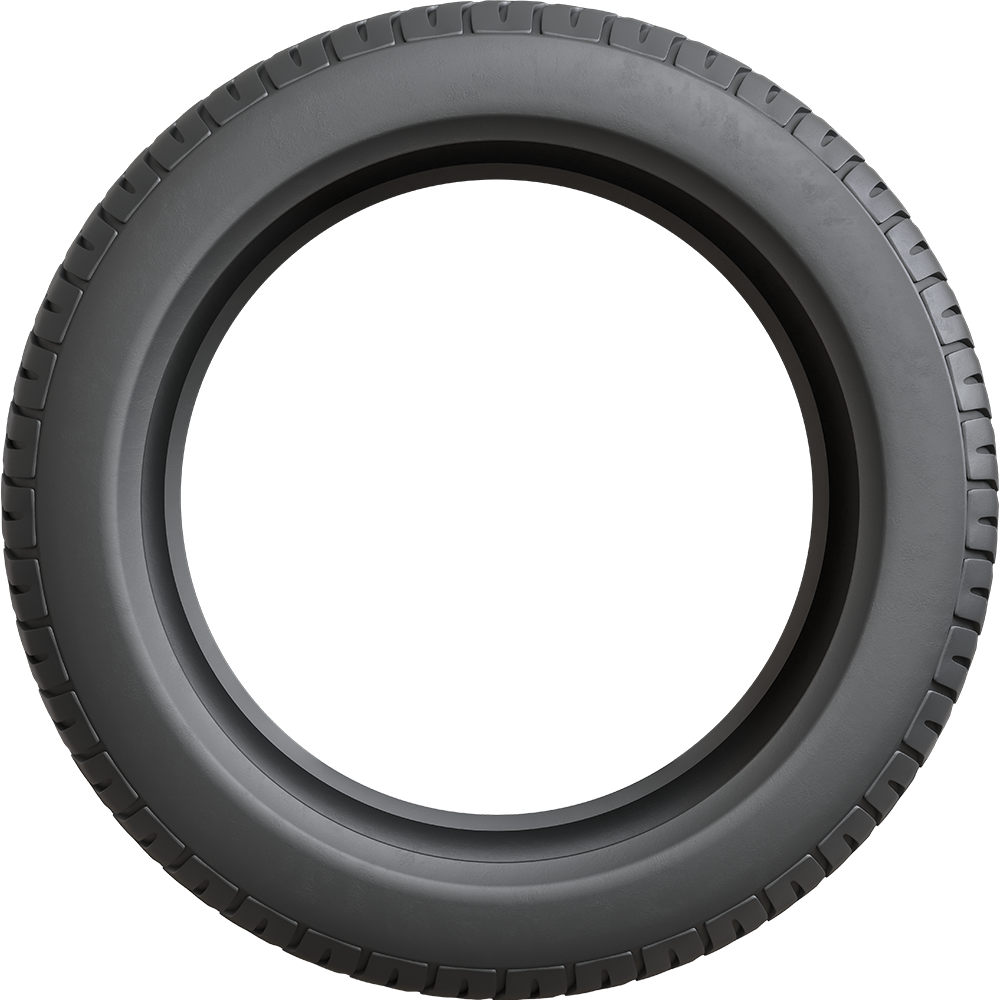
Zero Offset Wheels
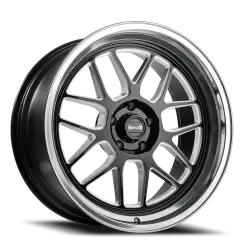
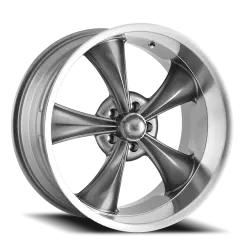
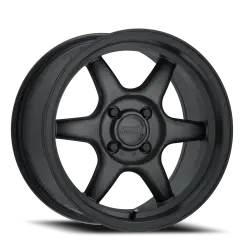
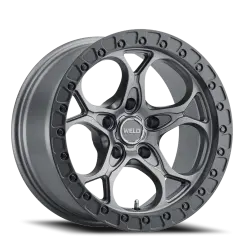
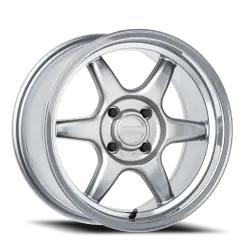
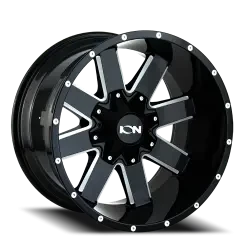
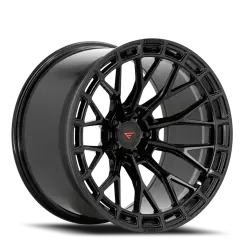
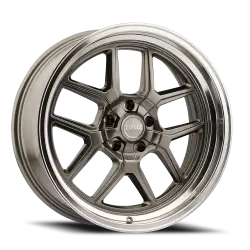
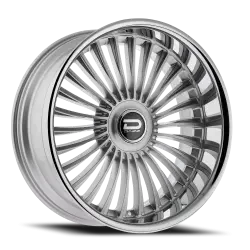
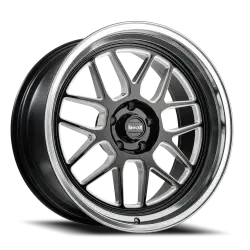
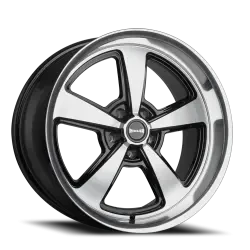
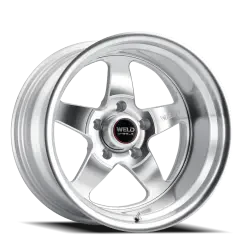
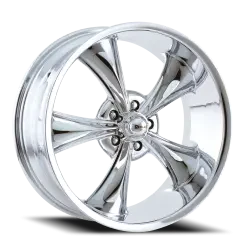
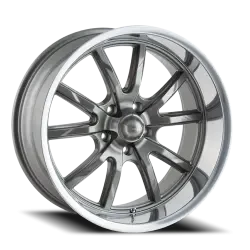
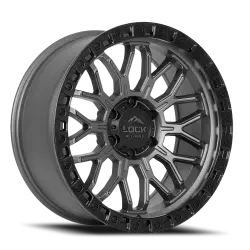
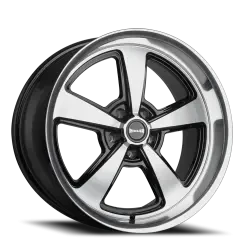
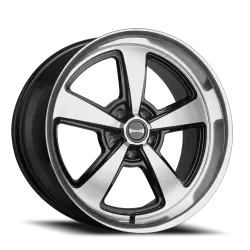
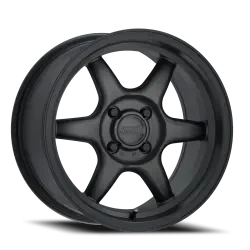
0 Offset Wheels for Trucks and SUVs
Finding the right stance for your truck or SUV starts with understanding how wheel fitment changes the whole build. Not every wheel that looks right will fit right. In simple terms, zero offset means the wheel's mounting pad sits on the centerline of the wheel. For many trucks and SUVs, that creates a practical middle ground between a tucked-in factory look and a setup that sticks too far out. Whether you are building a dedicated off-road rig or dialing in a daily driver, the right wheels affect clearance, scrub radius, and the way your tires sit in the wheel wells.
Benefits of Choosing 0 Offset Wheels
One reason owners choose this setup is that it can work well across many different builds. Compared with many factory positive-offset specs, a zero offset wheel can move the tire outward slightly, which may widen the track and change the stance without going as far as a deep negative wheel. That can be useful when you want more inner clearance for suspension parts or brake components, but final results still depend on wheel width, backspacing, and tire size. Zero offset is often a good fit for wheel and tire packages because it gives you a balanced starting point when you are trying to avoid a setup that looks too tucked or too aggressive.
0 Offset vs Negative Offset Wheels
It is common to compare zero offset vs negative offset options when planning a build. While a zero offset wheel places the mounting surface at the centerline, a negative offset pushes the wheel farther out. That usually creates a deeper lip and a wider stance, but it can also increase the chance of rubbing outside the fender area or throwing more road debris down the side of the truck. Zero is often the better path if you want a flush, usable look and you are not trying to push the wheel as far outward as possible. Negative offset may be the right move for some wider tire setups, but the answer is different from one vehicle to the next. Wheel width, tire section width, suspension height, and alignment all matter.
Frequently Asked Questions
Will 0 offset wheels rub on my truck?
Sometimes, but not by default. Rubbing depends on tire size, wheel width, suspension height, and how much room your truck has at the fender liner, body mount, and control arms. A zero offset can improve inner clearance on some setups while reducing outer clearance on others. If you are stepping up to a larger tire, check the full fitment package before you order.
Is zero offset good?
For many trucks and SUVs, yes. It is a good option when you want a wider, more planted look without jumping straight to a more extreme negative offset. It also works well for many wheel and tire packages because it often balances inner and outer clearance better than more aggressive specs. Still, good fitment comes down to the complete combination, not just the offset number.
What does 0 offset mean on wheels?
It means the wheel's mounting surface is centered between the inner and outer lips of the wheel. In practical terms, the wheel is neither pulled inward like a positive offset design nor pushed outward like a negative one. Use that measurement as a fitment guide, then compare it with wheel width, backspacing, and tire size to understand how the setup will sit on your vehicle.
Where to buy 0 offset wheels?
You can shop a wide selection of wheels right here at Level 4x4. If you are unsure about the right inch size, offset, or tire match for your build, our team can help you sort through the different options and narrow down what makes sense for your truck or SUV before you buy.
How to Choose the Right 0 Offset Wheels for Your Vehicle?
Selecting the right product means looking at more than just the offset number. Size, bolt pattern, offset, and backspacing all affect how a wheel sits on your truck. Start with diameter and sidewall goals: a 17-inch wheel with more tire can behave very differently from a 20-inch setup with a shorter sidewall. Then verify load rating, hub bore, brake clearance, and the amount of room around the fender and suspension. If you are comparing packages, confirm exactly what is included so you do not get surprised by separate mounting, balancing, or TPMS needs. That simple check is often the difference between a straightforward order and a fitment headache on your car or truck.