.png)
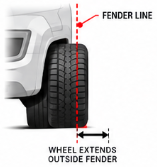
Positive Offset
(+18mm to +45mm) —
Factory / Tucked
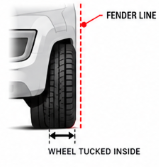
Minimal risk of fender rubbing; protection of the bodywork against dirt.

Lower 48 States

On Wheel & Tire Packages

Klarna · Affirm · Afterpay
Show wheels guaranteed to fit

Get a fitment check before you order.
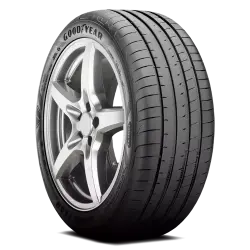
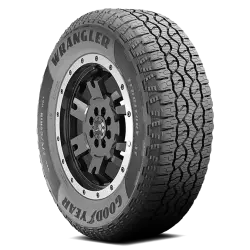
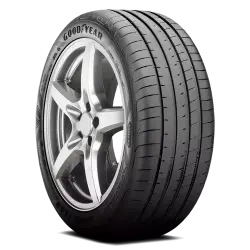
When you are choosing tires for a truck or SUV, the right setup is not just about brand recognition. Goodyear offers options for highway commuting, mixed-use driving, and more demanding conditions, but the best pick still depends on how you use your vehicle, the tire sizes your truck can run, and the kind of weather you see through the year. On this page, you can shop the available range, compare categories, and narrow down what makes sense for daily driving, weekend travel, or light trail use.
Many Goodyear models are built to handle changing road conditions with tread designs that help move water away from the contact patch. In heavy rain, that can improve wet-road confidence, but real-world performance still depends on the tire type, remaining tread depth, and your vehicle setup. In hotter weather, a properly matched tire can hold up better under long highway miles and loaded driving. If your route includes sudden downpours, hot pavement, and cooler mornings in the same season, it helps to choose a model designed for that mix instead of buying on looks alone.
If your truck or SUV spends most of its time on pavement, road noise and ride quality matter just as much as tread life. In the Goodyear lineup, highway-oriented tires generally use tread patterns and construction aimed at everyday comfort and stable road manners. That can make a noticeable difference on long commutes, road trips, or lifted vehicles that already transfer more feedback through the cabin. If a quiet ride matters to you, it is worth comparing road-focused options instead of jumping straight to the most aggressive tread design.
All-season options are aimed at drivers who want one set for changing weather and regular road use. All-terrain tires add more bite for gravel, dirt, and rough access roads, usually with some tradeoff in road noise and fuel economy. Winter tires are built for sustained cold, snow, and icy roads, where rubber flexibility matters as much as tread pattern. Not every tire that looks right will work right for your vehicle, so load range, intended use, and available sizes all matter when you are choosing between all-season, all-terrain, and winter categories.
Yes, Goodyear does make off-road and all-terrain options, but not every model in the brand is built for the same kind of terrain. If your truck spends time on gravel, mud, ruts, or rocky access roads, focus on tread design, sidewall strength, and how much pavement driving you still do.
Yes, but the right answer depends on the model. Some Goodyear tires are built for mild winter use or year-round driving, while dedicated winter options are the better choice for repeated snow, ice, and freezing temperatures. Match the tire to your climate instead of assuming all tires in the brand do the same job.
Warranty coverage varies by model. Some tires may include limited workmanship and materials coverage, and some may also carry treadwear coverage. Check the specific product details before you buy so you know what is covered and for how long.
That depends on the tire design, vehicle weight, alignment, inflation, rotation, and how the truck is driven. A highway tire used mostly on pavement will not wear the same way as an all-terrain setup on a loaded SUV. Regular service, correct air pressure, and routine rotations help you get the most life out of the set.
If you are looking for a place to shop Goodyear tires near you or you are watching for a sale, start with the inventory on this page. You can compare available sizes and reach out if you need help sorting through options, prices, or basic fitment questions. That gives you a more practical way to choose the right set for your truck or SUV.
Tires
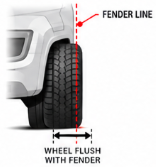

 4x Custom Wheels & Tires